

LEARN TO PROTECT YOURSELF AND YOUR LOVED ONES AGAINST FRAUD.
Scams are widespread, with fraudsters constantly finding new ways to deceive people and steal money or personal information.
To protect yourself, keep reading to learn about NEW SCAMS, COMMON SCAMS, HOW TO AVOID SCAMS, AND WHAT TO DO IF YOU’VE FALLEN FOR A SCAM.
NEW SCAM ALERT:
Sam’s Club Discounts
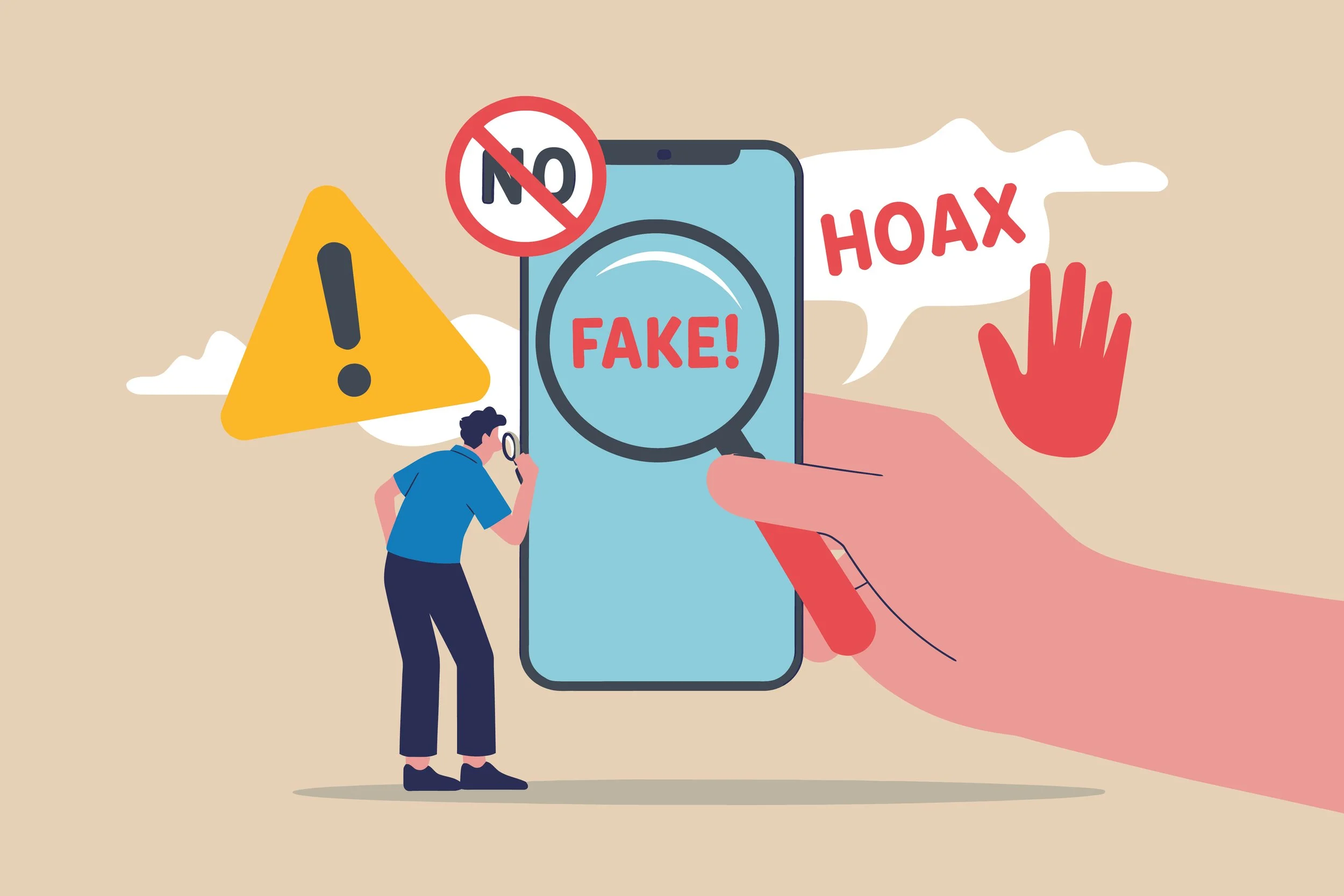
Beware of emails claiming to offer discounted renewal for Sam's Club Plus Memberships. If you receive an email suggesting a renewal for $9.99 instead of the usual $100, do not click any links or provide personal information. These emails may come from unofficial sources and could lead to unauthorized charges, such as $19.95 from a fitness tracker merchant. Always contact Sam’s Club directly to verify the legitimacy of such emails.
COMMON SCAMS:
Gift Card Scam:
Someone calls or emails you to ask for a payment but specify that it has to be a gift card. They will then ask for photos of the gift card to immediately extract funds from it, and you are out the money.
Romance Scam:
Fraudsters create fake online identities to win a victim’s trust. By manipulating emotions, they create a false sense of romance and exploit it for financial gain, often citing various emergencies to ask for money. Common excuses include medical bills, travel, or custom fees. They will also avoid in-person meetings and/or video calls.
Fake Financial or Sweepstakes Scam:
These often come in the form of fake checks, unsolicited prizes, or job offers in the mail or online. Either they use these to extract personal information from you to commit identity fraud, or in the case of a fake check, it’ll be requested to deposit it into your account and wire a portion of the funds back to them. By the time your bank detects it’s fake, the scammer has already taken your real funds.
Claiming to be a Loved One in Trouble:
You receive a call from someone claiming to be a loved one (or maybe even posing as police or a court official), claiming they are in trouble, such as being in jail or involved in an accident. They use high-pressure tactics to convince you to send money via services like Zelle, Cash App, or Venmo, or even gift cards, for bail or legal fees. They may even hand the phone to a fake “lawyer” or “police officer” to make it sound more convincing.
Social Security, Medicare, or IRS Scams:
Be cautious of fraudulent calls claiming there's an issue with your account. Scammers may spoof real numbers and reference official documents to gain your trust. They seek personal information to steal your identity or file claims in your name.
Tech Support Scams:
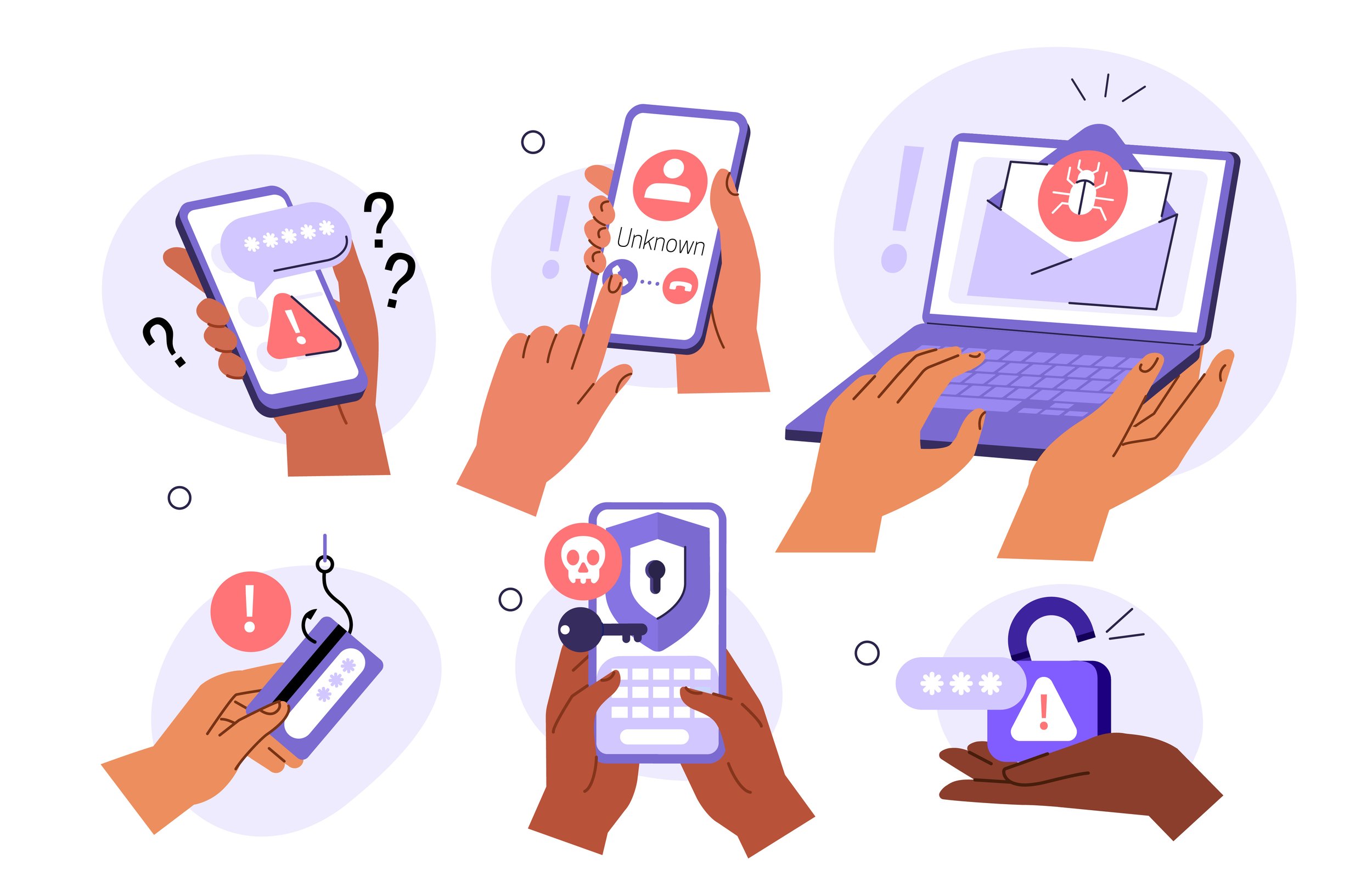
Be cautious when visiting websites with pop-ups claiming your computer has a virus. These prompts often lead to malware downloads that can steal your information. Scammers may also impersonate tech support and ask for remote access to compromise your computer.
Deceased Debt:
Scammers often exploit grieving families by contacting them after seeing obituaries. They falsely claim the deceased owed money and pressure relatives to pay.
How to avoid scams:
1. End the conversation: If you sense a scam, just hang up. If they were claiming to call from somewhere, look up the official number yourself and call to check.
2. Block Callers: Don’t let them get through again.
3. Be Cautious with Unknown Numbers: If you don’t recognize the caller, don’t answer.
4. Thank Before You Click: Avoid clicking links in suspicious emails or messages, and don't trust pop-ups claiming your computer has a virus. Legitimate companies won't make such requests.
5. Protect Your Privacy: NEVER share personal information.
6. NO Money to Strangers: Don’t send money to strangers or provide gift cards. If someone claims a loved one is in trouble, verify by contacting another family member or the person directly before acting.
REMEMBER: Trust your instincts—if something feels off, don’t be afraid to ask questions.
What to do if you’ve fallen for a scam:
1. Reach out to your credit union or any financial services affected: You should freeze your accounts and dispute any charges you didn’t authorize.
2. Report it to the FTC: You can file a report at ReportFraud.ftc.gov
3. Notify your local police: Be sure to file a police report.
4. Lock your credit: This helps protect your identity from any additional threats.